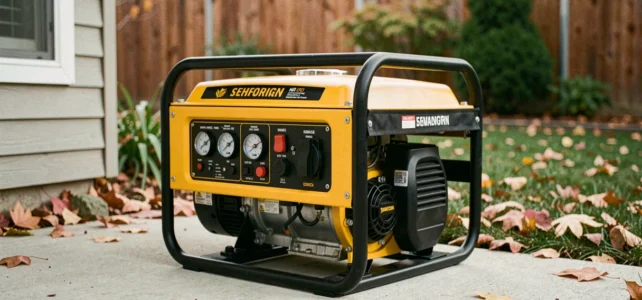
A power outage lasting several hours, a construction site far from the grid, or a camping weekend without a wall outlet: these situations require a reliable and portable source of electricity. The SDMO Alizé 3000 generator often comes up in discussions because it combines inverter technology with a Honda engine, two elements that significantly enhance the user experience.
Inverter technology and sensitive devices: what the SDMO Alizé 3000 really offers
You plug your internet box, laptop, or a small refrigerator into a conventional generator. The power produced fluctuates slightly in voltage and frequency. For a drill or construction lighting, this is not an issue. For electronics, these micro-variations can cause malfunctions or reduce the lifespan of components.
The inverter technology solves this problem. The alternating current is first converted into direct current, then reconverted into alternating current with a very clean sine wave. The resulting electrical signal is comparable to that of the home grid. This is what makes the SDMO Alizé 3000 generator suitable for powering electronic devices without the risk of damage.
A conventional generator of the same power often costs less, but it does not protect your sensitive equipment. For emergency home use where you want to keep the router, freezer, and a few lights running, the difference in power quality justifies the price gap.
Sizing the actual power: the trap of nominal watts
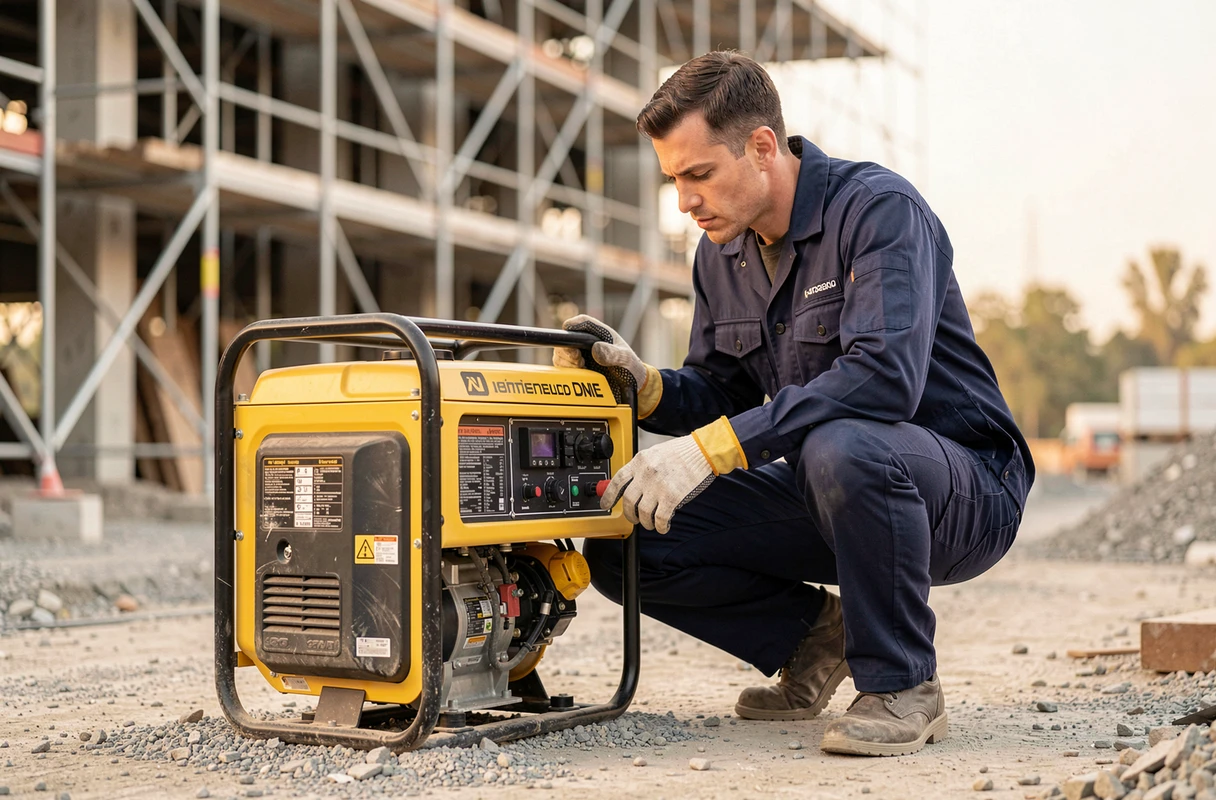
Why doesn’t a generator of this category suit everyone? Because the displayed power tells only part of the story. A device like a refrigerator consumes stable power during operation, but at startup, the compressor draws a current spike that can reach two to three times the nominal consumption.
Sizing must take into account startup spikes, not just continuous consumption. If you simultaneously plug in a refrigerator, lighting, and a laptop charger, the sum of the nominal powers may seem comfortable. But the compressor’s spike when it restarts may exceed the generator’s capacity and trigger a protection mechanism.
How to assess your needs before purchase
List the devices you plan to power simultaneously. For each, note the nominal power (listed on the label or in the manual). Multiply the power of motorized devices (refrigerator, pump, portable air conditioner) by two or three to estimate the startup spike.
- Refrigerator: modest continuous consumption, but high startup spike that must fit within the generator’s margin
- Internet box and laptop: low consumption, but require stable current (hence the benefit of the inverter)
- LED lighting: negligible consumption, no startup spike
- Supplementary electric heater: high and constant consumption, can monopolize almost all available capacity
Plugging an electric heater into a generator of this power leaves very little margin for other devices. This is a common mistake among users who discover the limits of sizing after purchase.
Noise level in residential use: an underestimated criterion
Recent buying guides increasingly emphasize noise measured under real conditions. An open conventional generator can produce a noise level comparable to that of a lawnmower. In a garden, a few meters from the house (or neighbors), this volume quickly becomes problematic, especially at night during a prolonged outage.
The SDMO Alizé 3000, thanks to its soundproof casing and electronic engine speed regulation, operates at a significantly lower level than an open generator of equivalent power. The engine adjusts its speed to the actual load, meaning that at low demand, it runs slower and produces less noise.
This variable speed operation has a second advantage: it reduces fuel consumption. A conventional generator runs at a fixed speed, whether it powers a light bulb or a circular saw. The inverter continuously adjusts, which extends the tank’s autonomy.
Honda engine and maintenance: what this changes over time
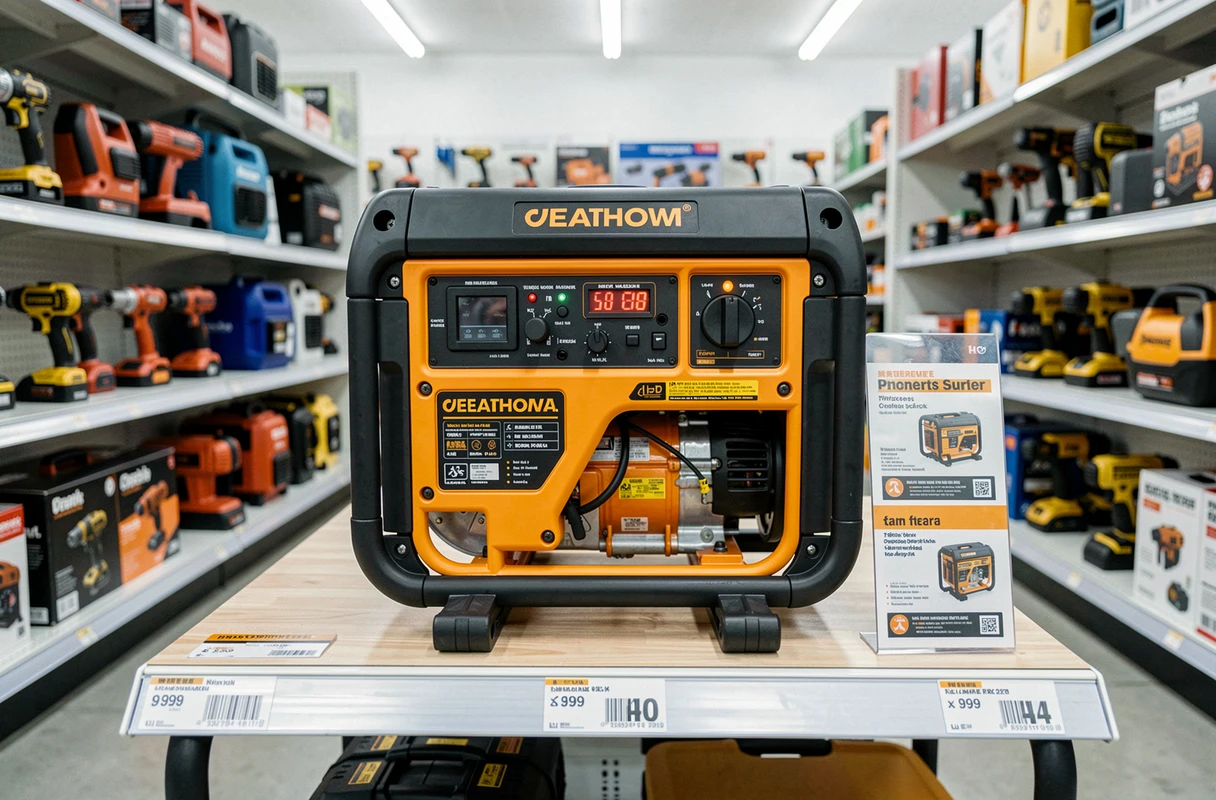
SDMO has chosen a Honda gasoline engine to equip the Alizé 3000. This choice is not trivial. Honda has been producing small thermal engines for decades, and the availability of spare parts remains one of the most concrete criteria for evaluating a generator in the long term.
A generator is not a device that is used every day. It often remains stored for months between uses. Minimal but regular maintenance is crucial for reliable starting. Changing the oil according to the manufacturer’s recommendations, draining the fuel if the generator is stored for a long time, and checking the spark plug before each season of use: these simple actions prevent most breakdowns.
- Engine oil change according to the intervals indicated in the manual
- Use of fresh fuel (gasoline degrades within a few months if not stabilized)
- Cleaning or replacing the air filter, especially in dusty environments
A generic brand engine complicates the search for parts after a few years. With a Honda block, filters, spark plugs, and gaskets remain accessible at most specialized retailers. This availability weighs in the total cost of ownership, far beyond the initial purchase price.
Gasoline or diesel generator: the right fuel for this use
The Alizé 3000 runs on gasoline. For intermittent emergency or leisure use, it is the most suitable fuel. Diesel generators are justified for higher powers or very frequent uses, where the reduced consumption of diesel offsets its higher purchase cost.
For occasional use, gasoline simplifies storage and starting. A diesel engine requires preheating of the glow plugs and does not handle long periods of inactivity without fuel treatment as well. Gasoline, with an appropriate stabilizer, is easier to store for a generator that is used a few times a year.
The choice between gasoline and diesel thus depends less on the brand than on the actual frequency of use. A tradesman who runs his generator for several hours a week on site would benefit from looking at diesel. A homeowner planning for emergency backup or a few camping trips will find gasoline to be a simpler operation and a more contained initial investment.