
The news for mothers covers a wide spectrum, from social rights to dietary choices and mental health. Some recent measures are concretely changing the daily lives of French families. Rather than skimming over each topic, this article focuses on the most useful information at the moment: those that have a direct impact on pregnancy, postpartum, and parenting life.
Additional Birth Leave: What Changes Since July 2026
You may have heard about the new additional birth leave. This measure came into effect on July 1, 2026 in France. It adds to the existing leaves (maternity, paternity, parental) to give parents extra time in the first weeks following the arrival of the child.
In practical terms, this leave modifies the schedule of the first weeks at home. For mothers who return to work quickly, it can make the difference between a rushed return and a more gradual transition. For partners, it expands the window of presence with the newborn.
Information is still not well circulated among employers. If you are expecting a child or if a birth is planned in your circle, the reflex to adopt is simple: check with your HR department or your collective agreement about the application procedures. Not all companies have updated their internal procedures yet.
To keep track of this type of development over the months, Anonymous Mom News regularly compiles new measures that directly affect families.
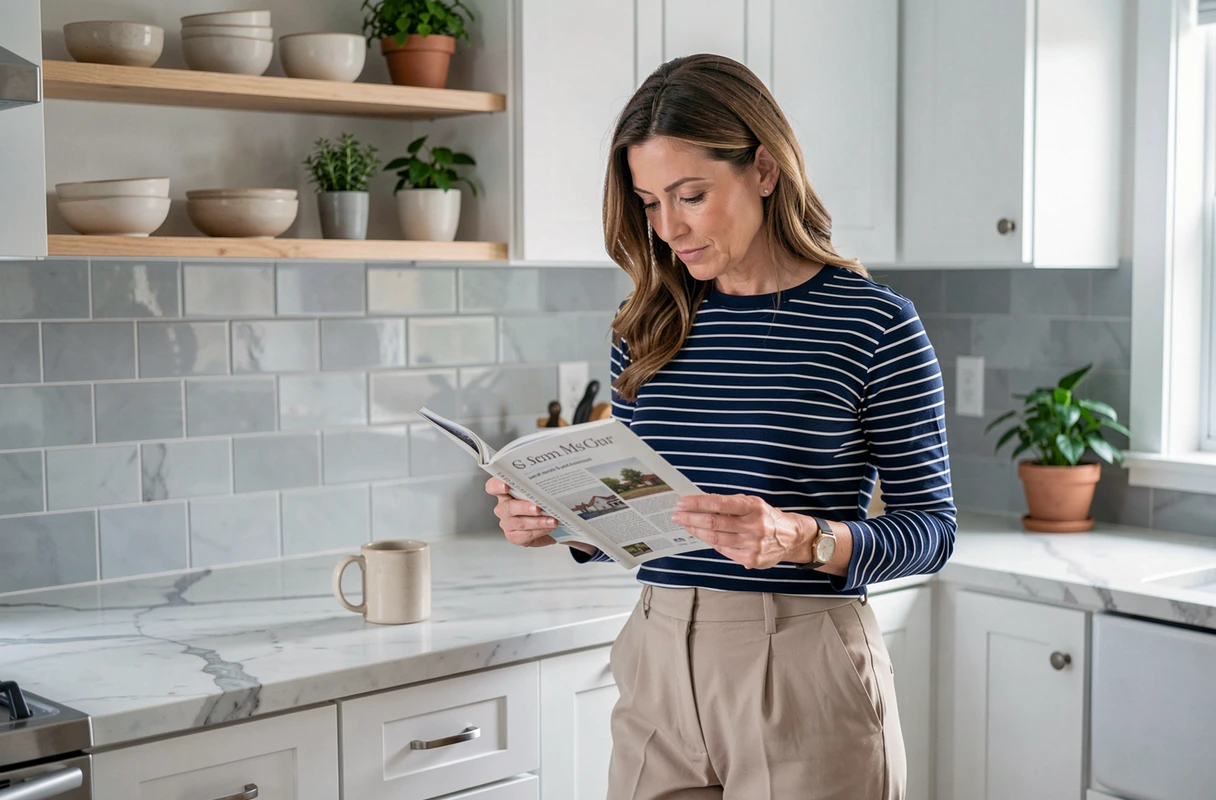
Lead Midwife in 2026: A Rethought Pregnancy Follow-Up
Another measure from 2026 is flying under the radar for many future mothers. The role of the lead midwife has been strengthened to structure perinatal follow-up from the beginning of pregnancy.
Until now, the care pathway during pregnancy often involved several interlocutors: general practitioner, gynecologist, freelance midwife, maternity hospital. The result is a loss of information between appointments and a feeling of fragmentation for the patient.
With the lead midwife, the idea is to designate a key professional who coordinates the entire follow-up. This person knows your file, your history, your choices. They ensure continuity between prenatal consultations, birth preparation, and the return home.
What This Changes in Daily Life
Having a single contact person reduces the mental load related to medical follow-up. You no longer have to repeat your story at every appointment. Questions about breastfeeding, perineal rehabilitation, or baby blues find a direct channel.
To benefit from this, inquire with your maternity hospital or your freelance midwife. The implementation varies by region, but the measure is gradually being rolled out across the country.
Parental Mental Health: Concrete Measures Still Unknown
The topic of parental mental health is gaining visibility in the media. Helplines are often mentioned, but they represent only a small part of the available resources.
Several organizations exist to support parents in difficulty, well before the stage of parental burnout:
- The REAAP (Networks for Listening, Support, and Accompaniment of Parents) offer support groups and workshops in many municipalities.
- The LAEP (Child-Parent Reception Places) provide a free space, without appointments, where parents and children can come together. A professional is present to engage in conversation.
- The Parent Listening Points allow for free individual consultations, often linked to social centers.
- The CAF can fund home help hours for families going through a period of fragility (birth, illness, separation).
These measures are not reserved for crisis situations. Consulting a LAEP or a REAAP can simply help break the isolation of the first weeks with a newborn or to discuss difficulties that one hesitates to bring up in a medical consultation.

How to Find These Structures Near You
The website monenfant.fr, managed by the CAF, lists LAEPs and many local resources. A search by postal code is sufficient. Town halls and PMI (Maternal and Child Protection) also direct towards these measures.
Nutrition During Pregnancy and Breastfeeding: The Precautions That Really Matter
Dietary recommendations for pregnant and breastfeeding women are numerous, sometimes contradictory from one site to another. Health organizations emphasize three concrete prevention axes:
- Food hygiene: thoroughly wash fruits and vegetables, separate raw foods from cooked foods, respect the cold chain.
- Cooking: meats, fish, and eggs must be cooked thoroughly. This is the most effective precaution against toxoplasmosis and listeriosis.
- Food choices: certain raw milk cheeses, artisanal charcuterie, and smoked fish remain discouraged during pregnancy, even in small quantities.
These precautions are not a trend but a matter of food safety. They also apply during breastfeeding, a period when certain substances pass into breast milk.
Rather than memorizing lists of forbidden foods, the principle is to prioritize well-cooked, well-washed, and well-preserved products. In case of doubt about a food, it is better to cook it than to consume it raw.
The news for mothers is evolving rapidly, with new social measures, advances in perinatal follow-up, and better consideration of mental health. The measures exist, but their visibility remains the main obstacle. Keeping an eye on recent measures, such as the additional birth leave or the lead midwife, allows one to assert their rights without waiting for them to be offered.