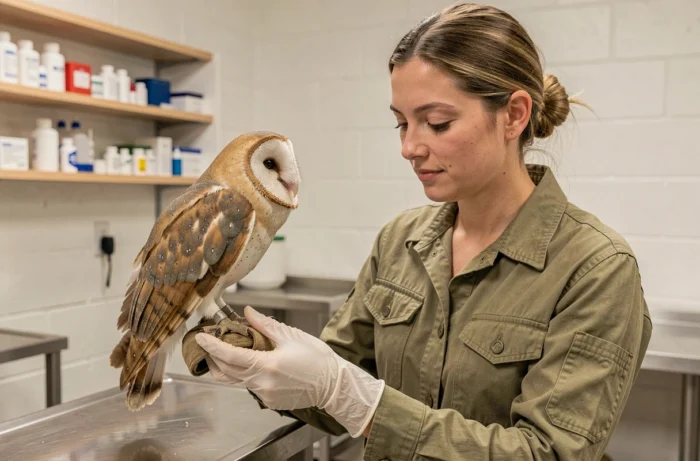
The decree of June 19, 2025, has set a regulatory milestone that most public animal-related sectors have yet to digest. Between the tightening of health regulations for professionals, the emergence of AI in veterinary monitoring, and legal challenges against the status of “pests,” the animal world is undergoing a rapid technical restructuring. We take stock of the key areas that are reshaping the sector.
New health obligations for animal professionals in France
The regulatory framework resulting from the decree of June 19, 2025, applicable since July 3, 2025, imposes an unprecedented level of health requirements on all professionals engaged in activities related to domestic pet species. Breeders, shelters, pounds, boarding facilities, trainers, and sellers are all affected. The compliance timeline extends until 2029, leaving little room for structures that have not yet begun their transition.
Among the new obligations, the designation of a health veterinarian becomes mandatory for all dog and cat breeding operations, including small structures that were previously exempt. Regular health visits are required, with frequency indexed to the number of animals held. Each establishment must now have its own health regulations.
We also observe that news on almanimal.org relays these regulatory developments with a level of technical detail often absent from general news feeds, making it a useful resource for professionals in the sector.
- Registration in a national registry of all operators engaged in activities related to dogs, cats, and ferrets.
- Mandatory registration of foster families by animal protection associations.
- Mandatory health visits with periodicity varying according to the size of the structure.
- Implementation of a documented and accessible internal health regulation.
This system marks a turning point for micro-breeding operations and associations operating with volunteers. The administrative burden significantly increases, and structures that do not anticipate this may find themselves in violation from the very first deadlines.

AI and connected devices in veterinary monitoring of pets
The IFA 2026 show highlighted a trend we have been following for several months: the integration of artificial intelligence into animal health devices. PetSuper showcased its vision for the future of pet care, focused on AI-driven connected devices for the daily management of dog and cat health.
The principle relies on sensors embedded in collars or connected bowls, capable of continuously collecting physiological data. AI then analyzes these streams to detect behavioral or metabolic anomalies before they become clinically visible. We recommend that professionals monitor this category of products, not as gadgets, but as preventive tools likely to change the relationship between owner and veterinarian.
Meanwhile, the professional breeding sector continues its digitization. The French Ministry of Agriculture supports the development of digital agriculture, and the 2026 Gold Summits at the Livestock Summit awarded ten innovations, confirming that embedded technology is gaining ground well beyond pets.
Government action plan and criminal sanctions for animal protection
The CNR Animal Welfare relayed in September 2026 the government’s presentation of a dedicated action plan for animal protection. This plan covers both domestic animals, farm species, and wildlife, making it a rare cross-cutting document in French regulatory production.
On the penal side, new sanctions have come into effect for offenses related to the sale of pets. The ARPP detailed these provisions, which specifically target fraudulent online practices and sales that do not comply with identification and vaccination obligations.
Regarding wild species, the government announced measures to combat trafficking. This announcement echoes legal actions taken by several associations against the state, challenging the classification of certain species as “pests” and the mass culling that results from it.
Challenging the pest status in court
Wildlife protection associations have sued the state to contest the classification of species likely to cause damage and the resulting mass culling. This litigation raises a fundamental question: do the classification criteria rely on updated ecological data or on historical lists that have never been revised?
We observe that this type of legal action is multiplying and beginning to produce concrete effects on administrative jurisprudence. Animal law is becoming a distinct area of litigation, with specialized firms and dedicated crowdfunding.

Research and refinement: what is changing in animal experimentation
Refinement, one of the three pillars of the ethical “3Rs” framework (replacement, reduction, refinement), aims to minimize the suffering of animals used in research without compromising the scientific validity of results. This topic remains largely underreported in mainstream animal press, which focuses on visible cases of abuse.
Advances in alternative models (organoids, digital simulations) are progressing, but the refinement of existing protocols remains the most immediate lever to improve the conditions of laboratory animals in France.
The animal world is not just about spectacular rescues and viral anecdotes. The ongoing transformations are structural: regulatory, technological, legal. Following these developments rigorously allows us to anticipate their concrete effects on the practices of professionals as well as on the daily lives of pet owners.